
Preventing damage to wood furniture is the first step to ensuring that your wood furniture lasts for many decades. Furniture care is relatively easy if a few simple rules of thumb are followed. However, the key to preventing furniture damage lies in not only knowing about the type of wood that was used to make the furniture, but also about the other components incorporated within the piece – such as metals, glass, plastics, various other materials, and veneers. All of these components play a role in how the wood furniture should be cleaned, where it should be placed, and how it should be transported.
Wood Furniture Care
When a piece of furniture contains more than just wood, it is important to clean the wood surface differently from the miscellaneous components of the furniture. For example, a cleaning solution used to polish glass, metal or mirrors on the piece should not be used to clean the furniture in its entirety.
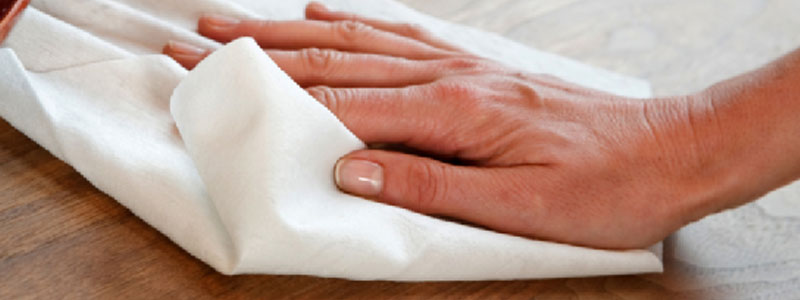
The easiest way to provide wood finish care to your furniture is to dust it on a regular basis. However, some old-fashioned dusting techniques can actually cause damage to the furniture’s finish. For instance, using a feather duster is usually not recommended because feathers often become brittle over time, and can cause scratches on the furniture’s finish. As simple as it sounds, the actual recommend method for dusting wood furniture is by using a soft, clean cloth with an extremely small amount of water (just to slightly dampen the cloth) and wiping the cloth in a circular motion on the furniture’s surface to collect the dust.
Furniture Care Tips
- Humidity. Changes in the humidity level of the environment in which the wood furniture is kept can negatively affect any piece of furniture and can cause the wood to crack or the furniture’s finish to cloud. If at all possible, keep the furniture at a constant temperature.
- Heat. Placing a piece of wood furniture directly above or next to a radiator can cause the piece to experience excessive drying. An extremely dry piece of wood furniture can easily crack.
- Chemicals. One of wood furniture’s worst enemies is chemicals. An accidental spill on wood furniture can cause instant damage. Keep all chemicals, and anything including alcohol, away from your wood furniture.
- Dust. Make sure to dust your furniture using the appropriate type of cloth as often as possible to prevent the caking of dust on any part of the piece.
Moving Furniture
Preventing damage to furniture while moving it takes some effort. It is extremely easy to break or scratch furniture during a whole-house move. But, it’s just as easy to damage it when moving it from one spot in the house to another. The best method to use when moving furniture is to lift the entire piece off the ground and then carry it to your desired location. Pushing a piece of furniture across the floor can cause the wood to crack or separate, and can also cause the piece to get scratched.
Additionally, if a piece of furniture must be transported in a vehicle, make sure to disassemble it as much as possible, and/or place it upside down rather than on its legs. Additionally, wrapping the piece in a heavy blanket will help prevent as much damage to the furniture’s finish as possible.